The Other Shore
Kyonan, Chiba
Eighty minutes from Tokyo, across the bay
房州 鋸南
The Other Shore
Eighty minutes from Tokyo
A land-connected island resort.
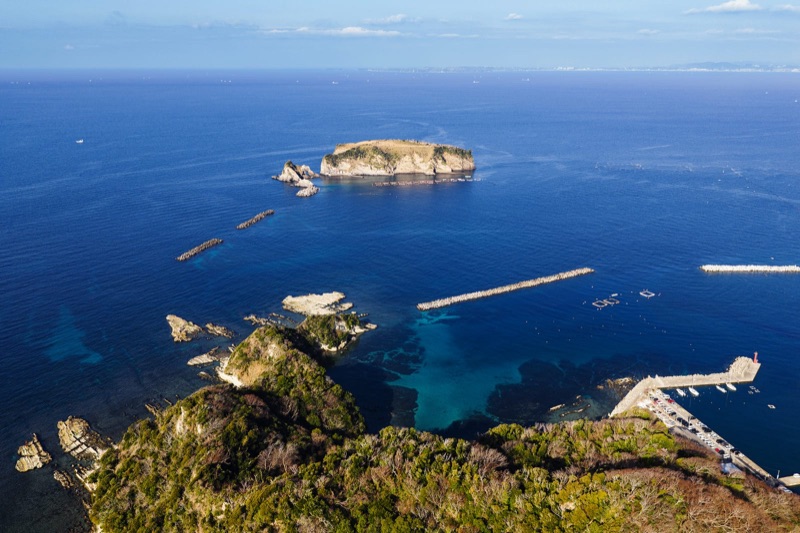
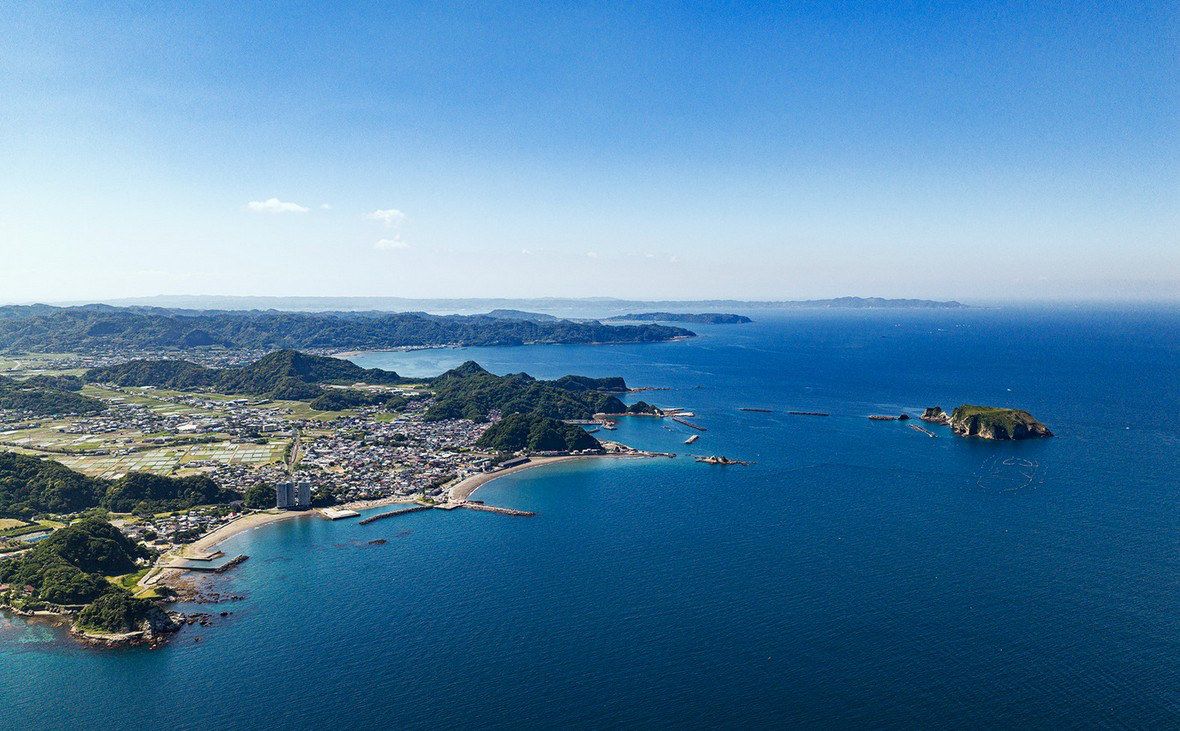
Travellers from abroad have not found this place yet. Three hundred years ago they did: people walked from Edo for the view, writers followed, and Hiroshige drew the shore. Then the expressway went to the east coast and, until the Aqua-Line, this side was simply far. Which is why Kyonan is still an old island resort you can drive to.
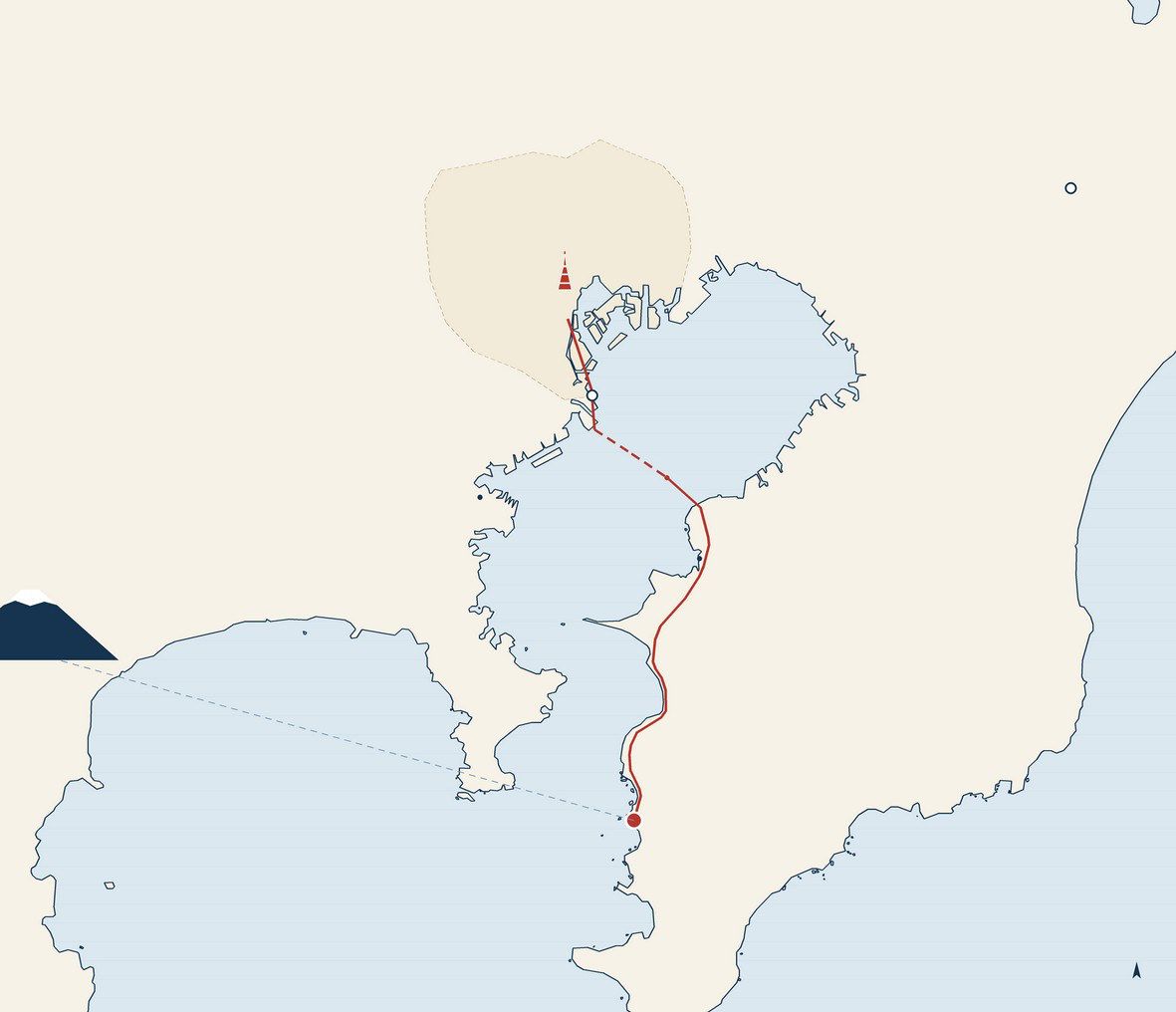 Tokyo東京23区Narita · NRT成田空港Haneda · HND羽田空港Chiba PrefectureYokohama横浜Aqua-LineアクアラインTokyo Bay東京湾Kisarazu木更津Mt Fuji富士山 西へ104kmBōsō Peninsula房総半島Kyonan鋸南町 千葉県The Pacific太平洋
80 minutes
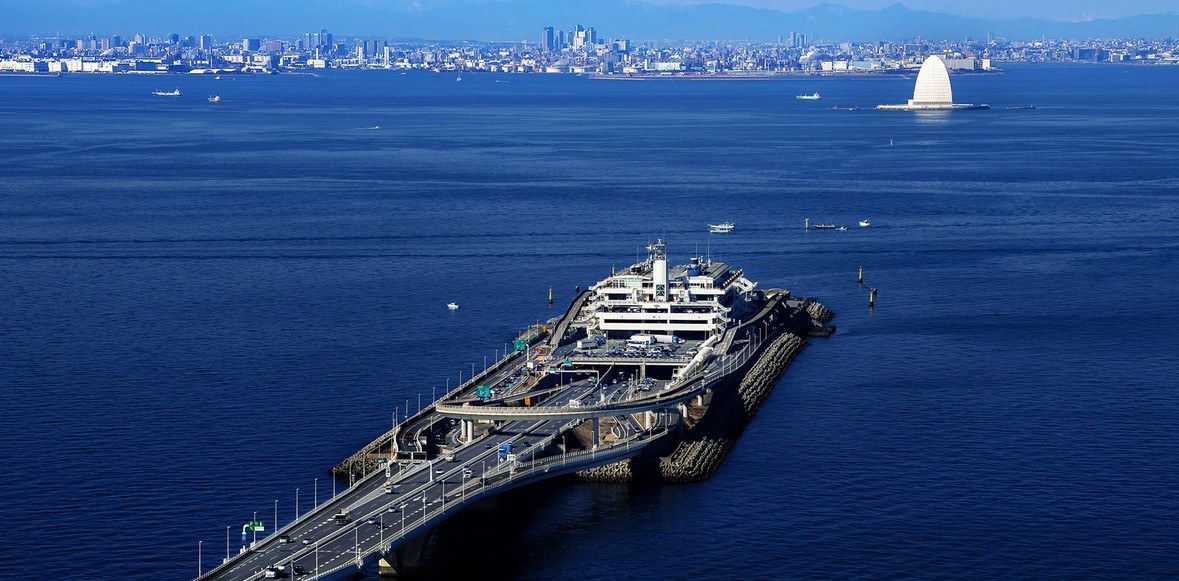
by carTokyo to Kyonan · 61 km · via the Aqua-Line
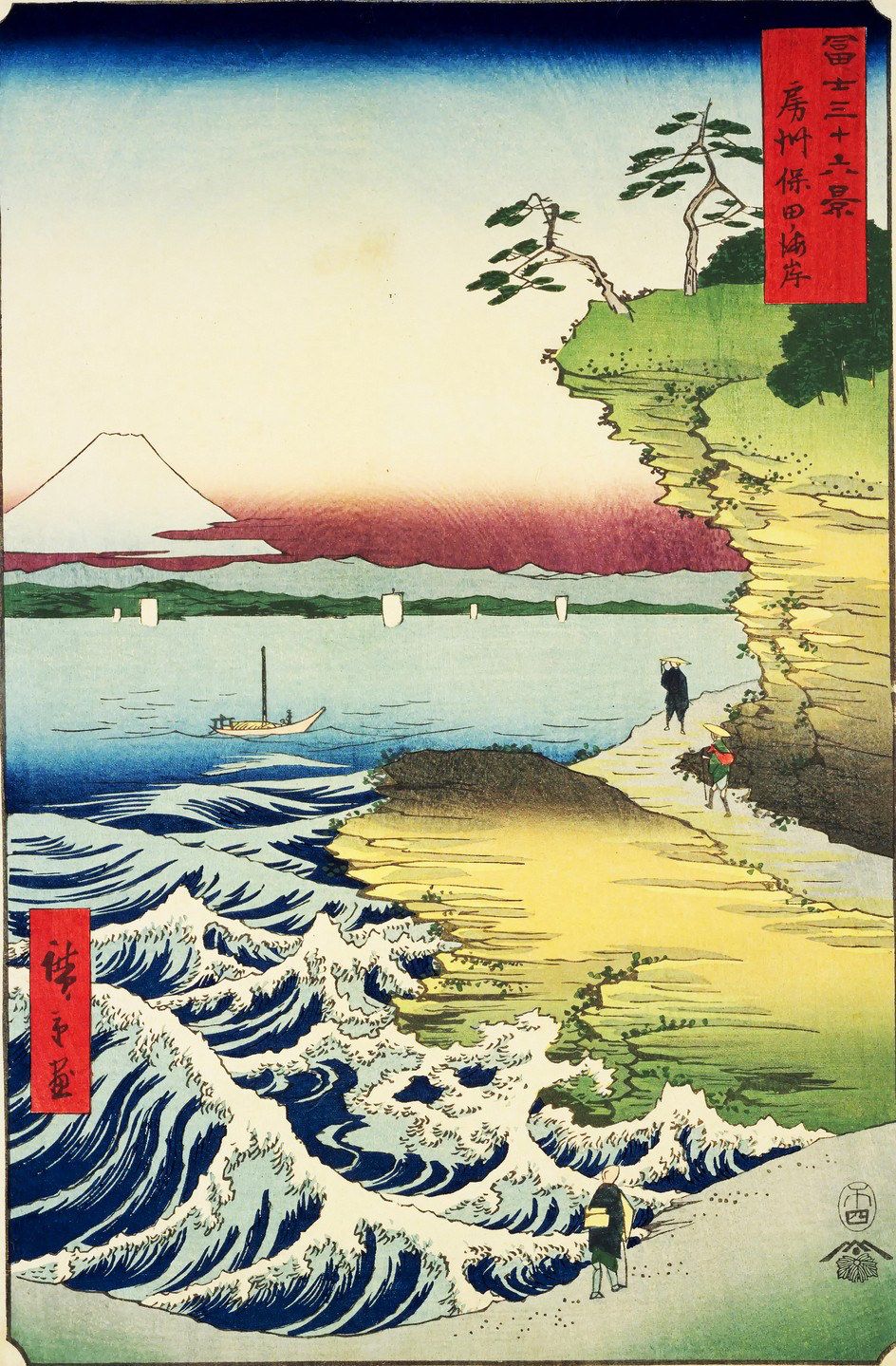
Fuji
対岸から見る、富士。
Fuji,
from the other shore
Fuji is the most photographed mountain on earth. From Hakone, from Kawaguchiko, from the train, the view has been taken a million times.
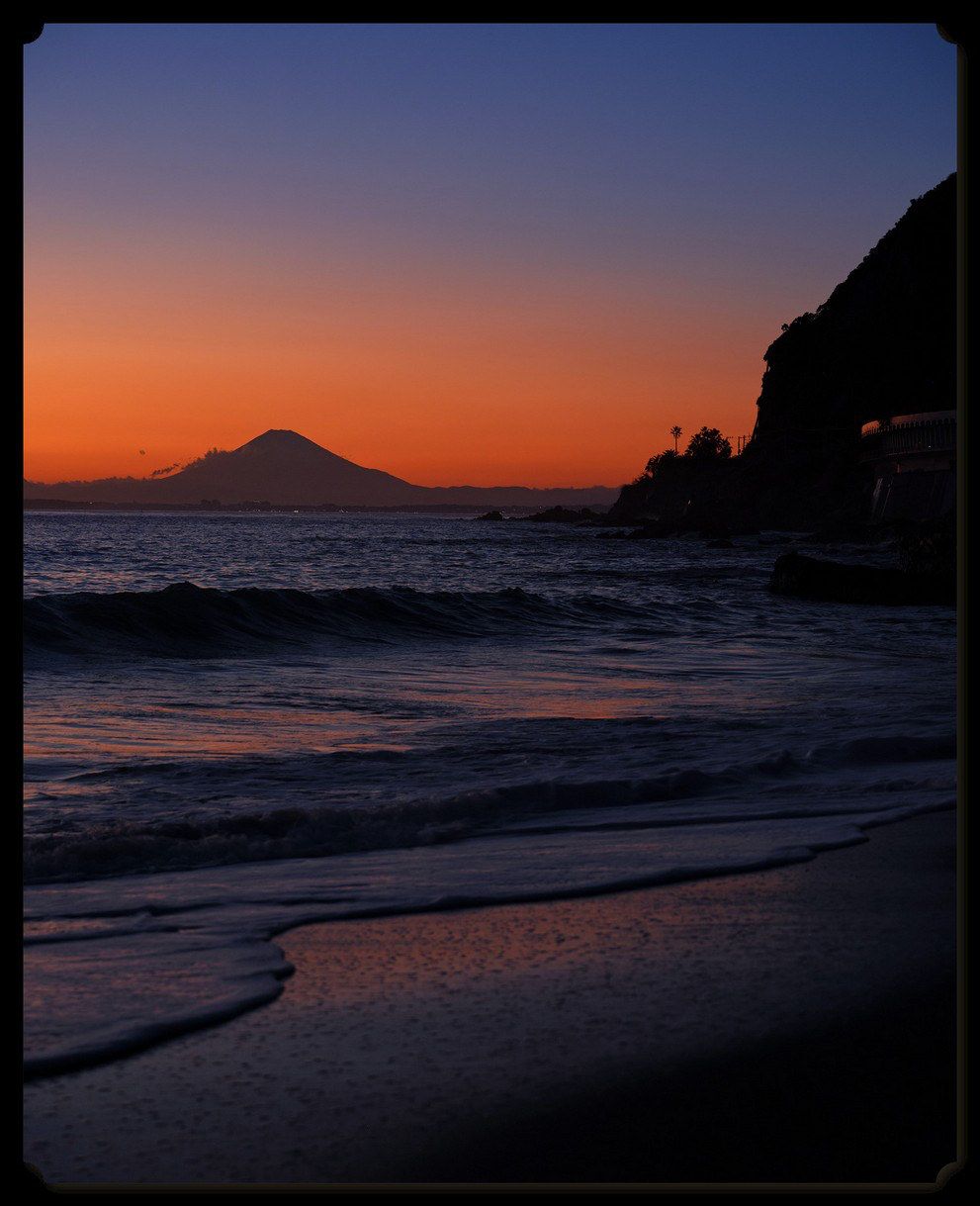
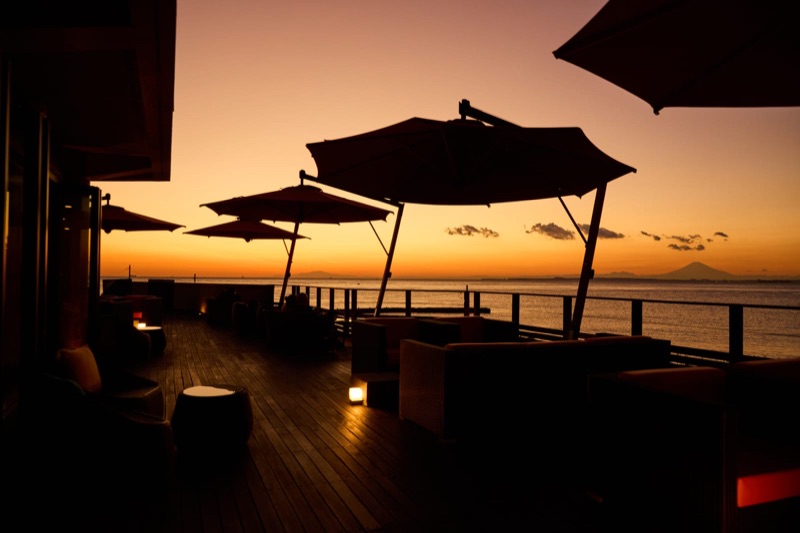
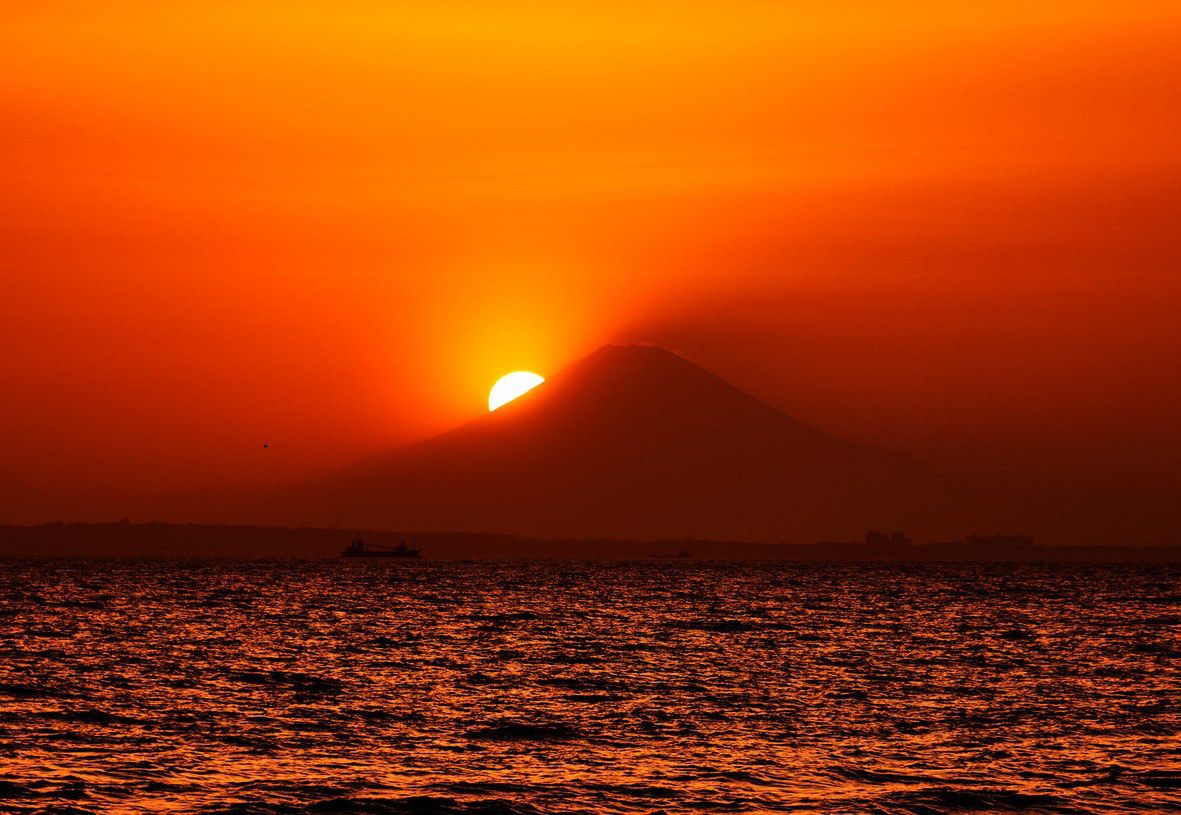
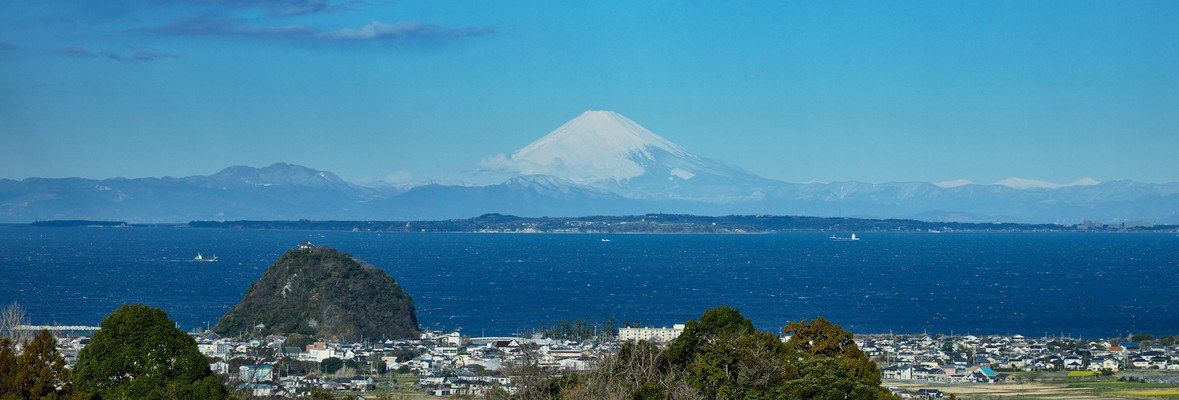
From this beach it is different. The mountain stands a hundred kilometres west, across the whole width of Tokyo Bay, and nothing stands in between.
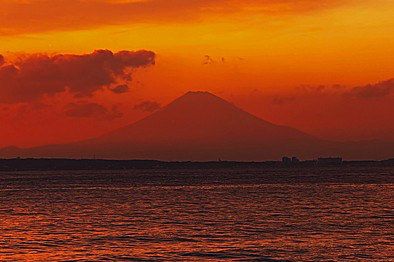
In winter the air is clearest, and for a few evenings the sun drops straight behind the summit, as it did for Hiroshige, who stood on this sand in 1858.
Best Dec–Feb
The Mountain
江戸をつくった山。
The mountain that built Edo
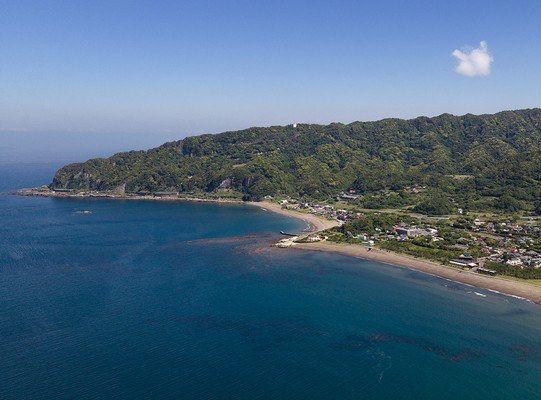
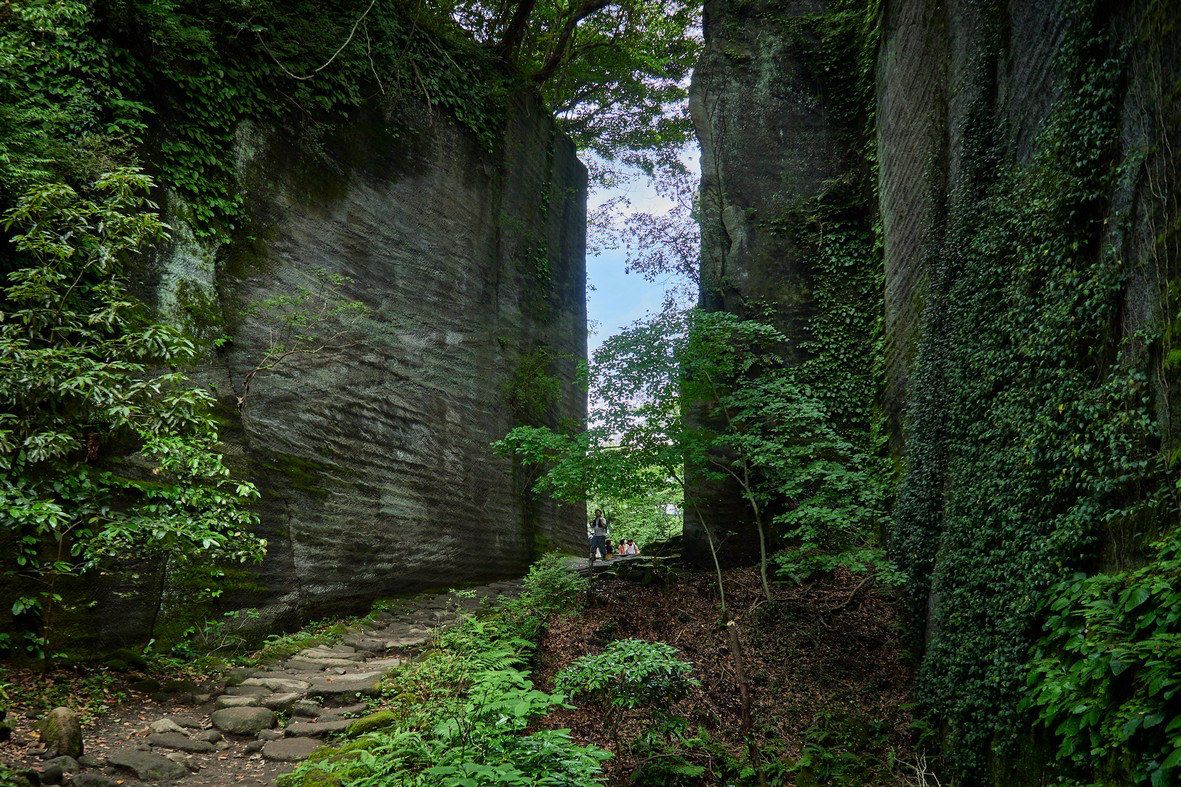
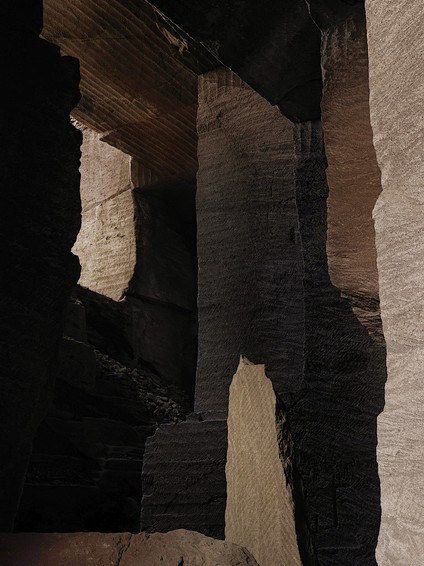
The name means saw mountain, and the ridge is notched like the blade it is named for. The shape is not natural. From the 1850s until 1985 this hillside was quarried by hand, men at the stone face, women walking the blocks down on handcarts. At the peak, forty-five thousand tonnes a year left here by boat for Edo.
The walls of the old city came out of this hill. That is why the quarry faces are flat, vertical and a hundred feet tall: not cliffs, but cuts.
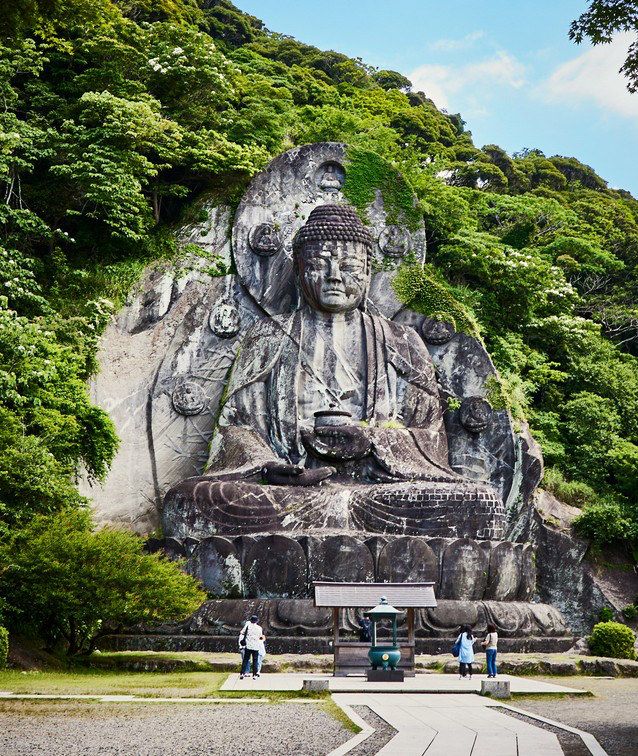
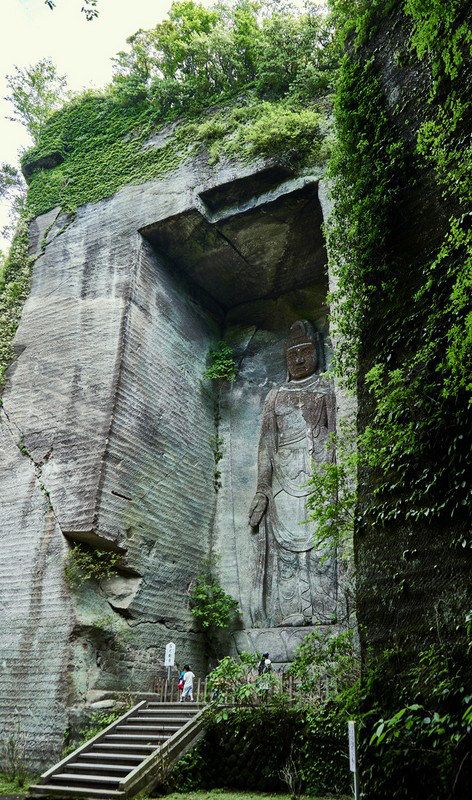
Above them stands Nihon-ji, founded in 725, the oldest imperial temple in eastern Japan. Its Great Buddha was cut from the rock in 1783 and rises 31 metres, twice the Kamakura one.
- Height329 m
- Buddha31 m
- Temple725 AD
- Arhats1,500
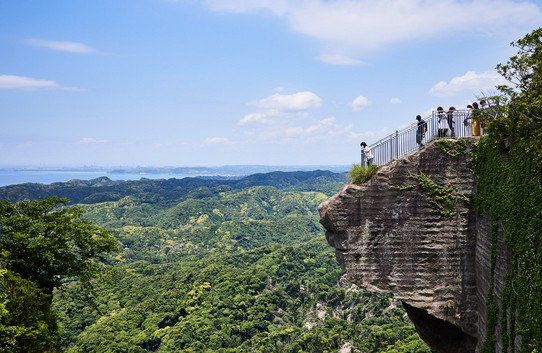
Left: the Great Buddha, 1783. Top: Mt. Nokogiri. Bottom: Jigoku-nozoki. 日本寺大仏 / 鋸山 / 地獄のぞき
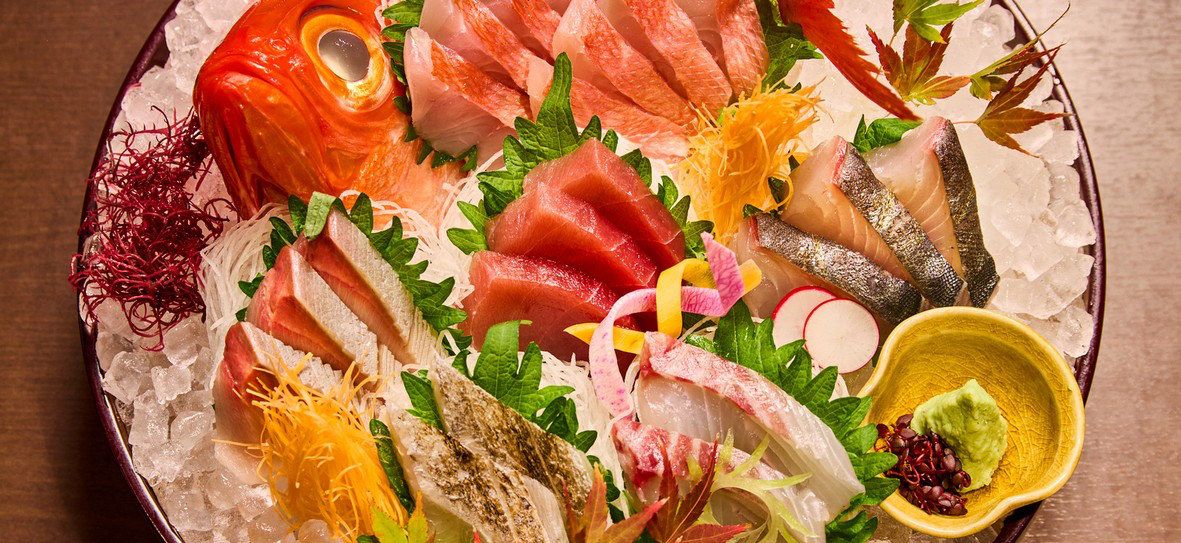
Sea Food
目の前の海で、朝採れ。
Sea bream · Flounder · Horse mackerel · Squid · Spiny lobster
Caught at dawn
in the sea out front
A trench runs in close to the shore here, and the cold water rising out of it is thick with plankton. The fish feed on it all year, and it is why the ones landed on this coast taste as good as they do.
The boats work a set net, laid at night and lifted at first light, so the catch comes up alive rather than crushed. It is on ice by seven.
Most of it leaves: brokers buy at the Kyonan harbours, and the best goes north to Toyosu and onto Tokyo's sushi counters, at Tokyo prices.
The Kinokuniya Group hold bidding rights at several of those harbours. The same fish, out of the same auction, is cooked four kilometres from the boat.
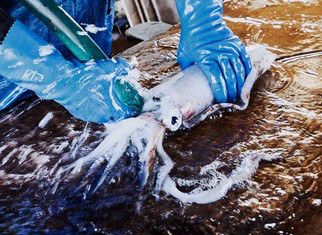
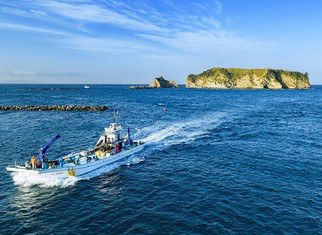
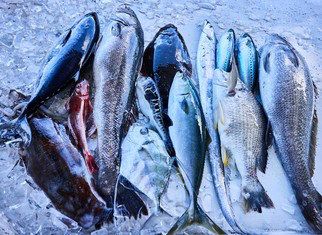
Squid at the market; the boats in before breakfast; the catch on ice.
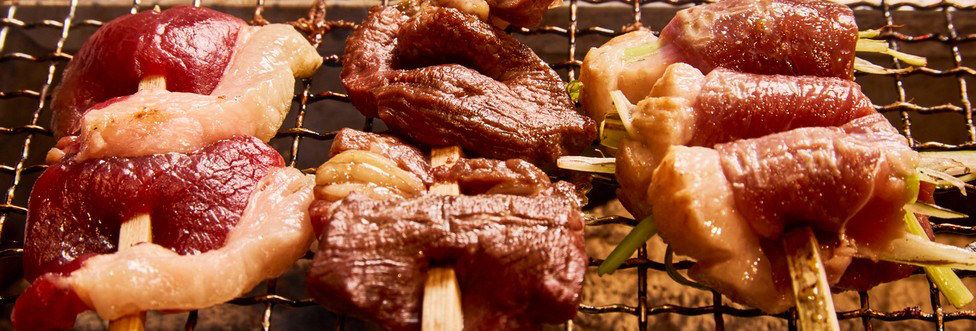
Game Meat and Vegetables
ジビエと、房州の畑。
The other half of dinner
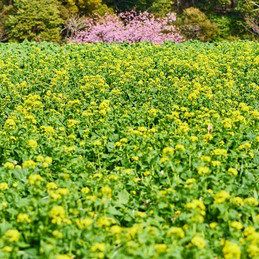
From the fields
The hills start where the beach ends: two kilometres of flat between water and ridgeline, most of it farmland. The climate is mild enough that the harvest comes early and the range is wide: greens, roots, brassicas, citrus, cut in the morning and on the same tray as the fish.
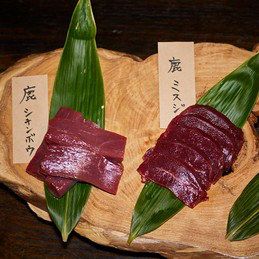
From behind the ridge
Behind the ridge there is deer, and wild boar with it. Neither is farmed. They are wild animals that have lived off the mountain, and the venison tastes of it: lean, dark, almost no fat. The boar is slower-cooked and richer. The mountain answering the sea.
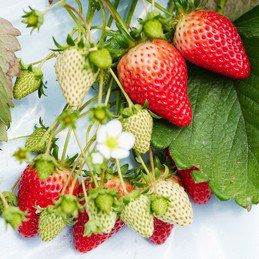
And the fruit
Spring is strawberries: a dozen varieties under glass ten minutes from Hota station, picked by the hour from December through April. Early summer is biwa, the Boshu loquat, grown on these slopes since 1751 and sent up to the Imperial household every June since 1909.
Rapeseed above the beach; venison; strawberries under glass.
The Father of Ukiyo-e
浮世絵の祖、菱川師宣。
The father of ukiyo‑e
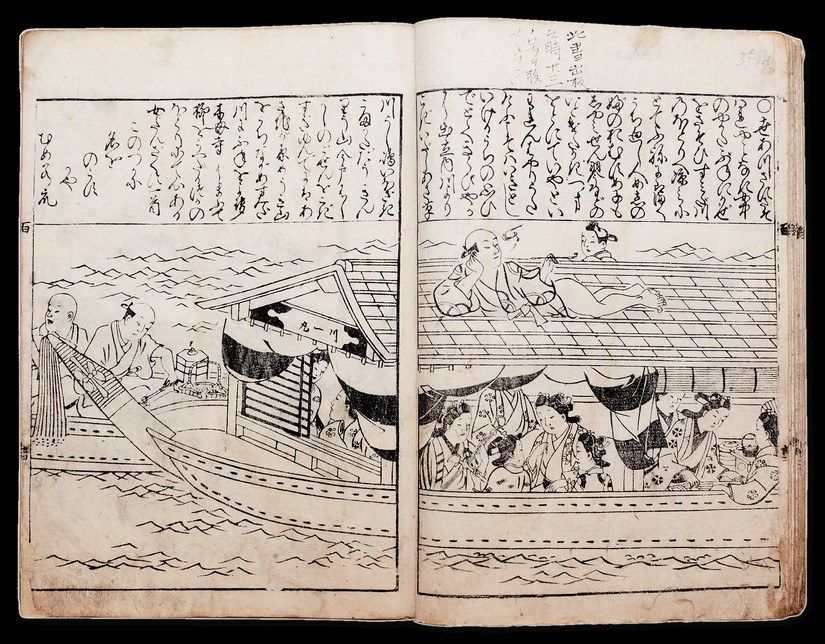
Hishikawa Moronobu was born in this town, in the Hota district, some time in the 1630s. His family embroidered, gold thread on silk, and he grew up drawing the patterns for it.
He went to Edo and changed who was allowed to own a picture. Until Moronobu a painting was a painting: one hand, one sheet, one owner, and the owner was wealthy. He cut the same subjects into woodblocks and printed them, identical, by the hundred, cheap enough for a shopkeeper. Art became something you could buy on the way home, and that is the beginning of ukiyo-e: of Hokusai, of Hiroshige, of the mountain on the cover of this book.

The Moronobu Memorial Museum
菱川師宣記念館 鋸南町吉浜516 9:00–17:00 / 月休
"Beauty Looking Back," his best-known painting, became a stamp in 1948.
Yoritomo & Flowers
将軍をつくった浜。
The beach that made a shogun
In 1180 Minamoto no Yoritomo lost his first battle and fled across the bay in a boat. He came ashore at Ryushima, a short beach in this town, with almost nothing left. He raised an army again from here, and by October of that year he had taken Kamakura. Japan was then governed by warriors for seven hundred years. It started on that sand.
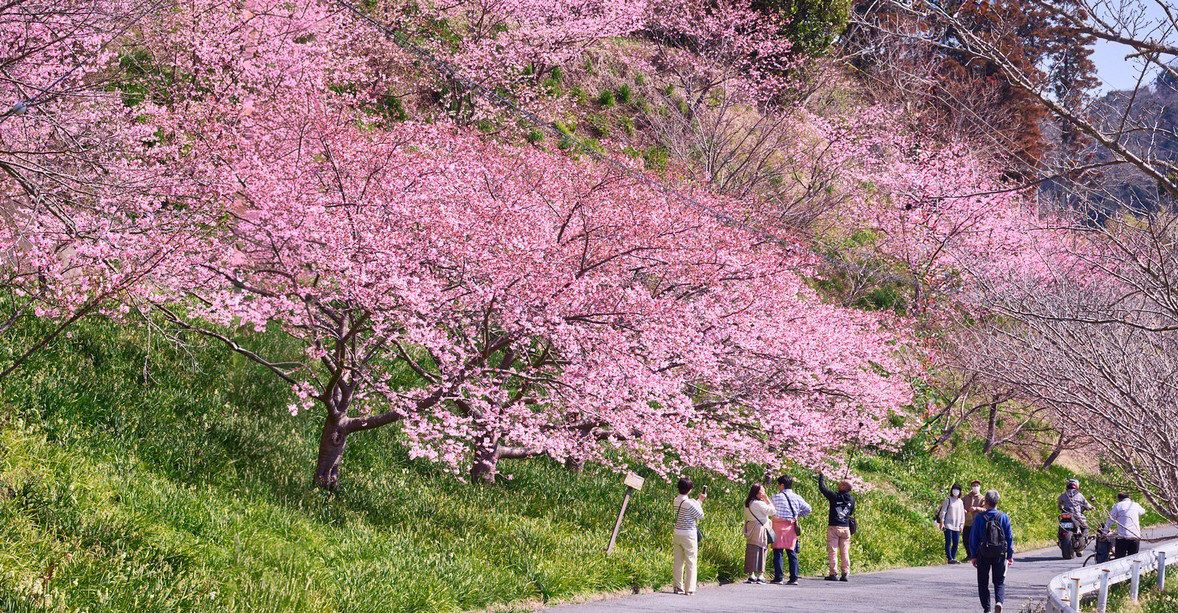
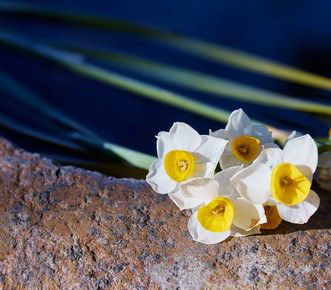
The town keeps his name in an unexpected place. Its early cherries are called the Yoritomo Cherry Blossom, and they open in late February, a month before Tokyo. Before them, from December, three kilometres of hillside road run white with narcissus.
When to come
| Dec | Jan | Feb | Mar | Apr | |
|---|---|---|---|---|---|
| Narcissus 水仙 | |||||
| Yoritomo Cherry 頼朝桜 | |||||
| Clearest Fuji 富士 |
How to Do It
Three things to do
-
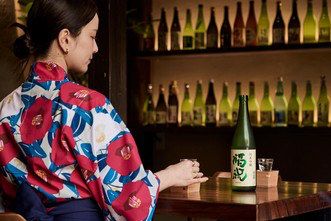
ASake at Ippe an evening
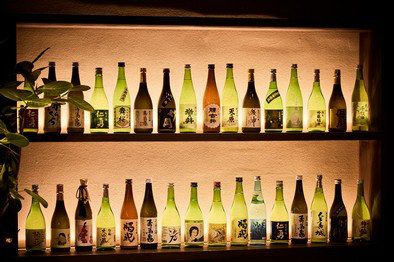
Forty labels, every one from a brewery inside Chiba, poured beside a charcoal grill in a hundred-year-old ryokan. Dinner comes with a pairing chosen course by course. Almost none of it is exported.
-
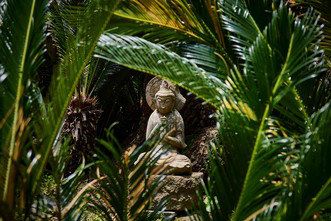
BWalking the mountain half a day
Walk the quarry workings with a guide from the centre at Mt. Nokogiri: two hours through the cuttings, ¥20,000 to ¥40,000 for the group in English. The mountain stops being a view and becomes somewhere that was worked.
-
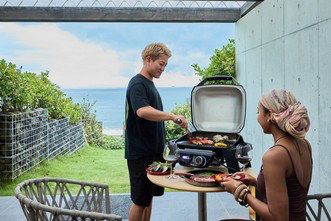
CCooking your own at your own pace
amane puts a kitchen in every room and runs two plans without dinner: breakfast only, or none at all. Buy fish and vegetables at the roadside market, then cook them in front of the water.
The Houses of Kinokuniya
紀伊乃国屋グループ 十軒の宿と体験
One shore,
ten houses
元名・保田・竜島。三つの浜に、十の宿。
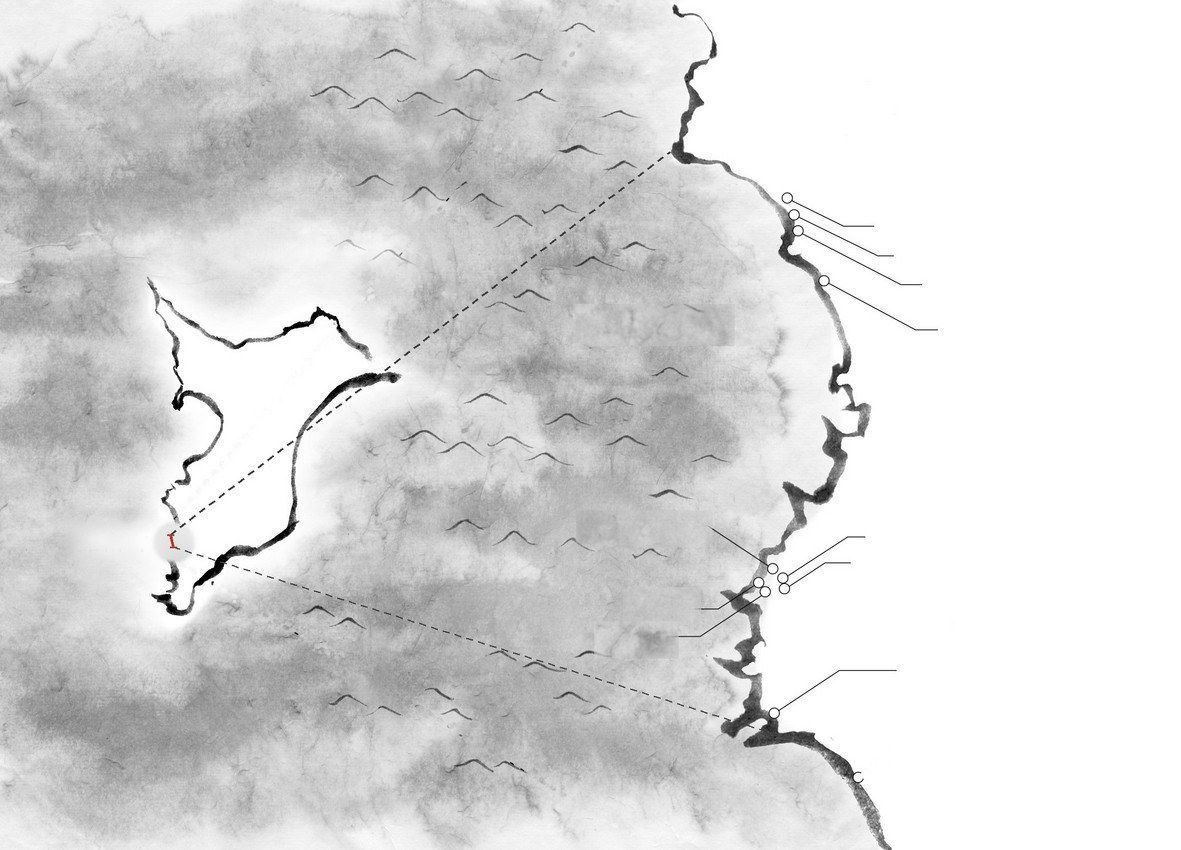 Mt. NokogiriChiba PrefectureUmi Sauna CafeIppeUmiamaneTokyo BayKyonanOyado HirutaKinokuniyaKinokuniya BetteiSazaneMisasaPORTCLUBMinamiboso
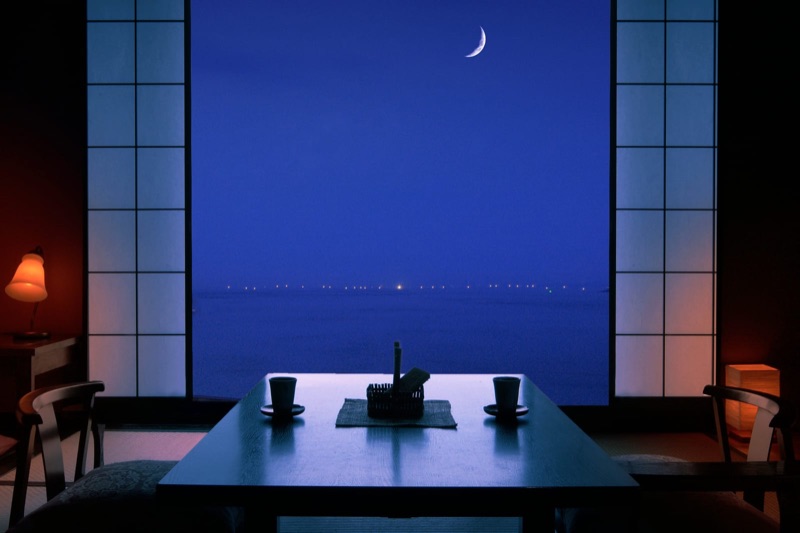
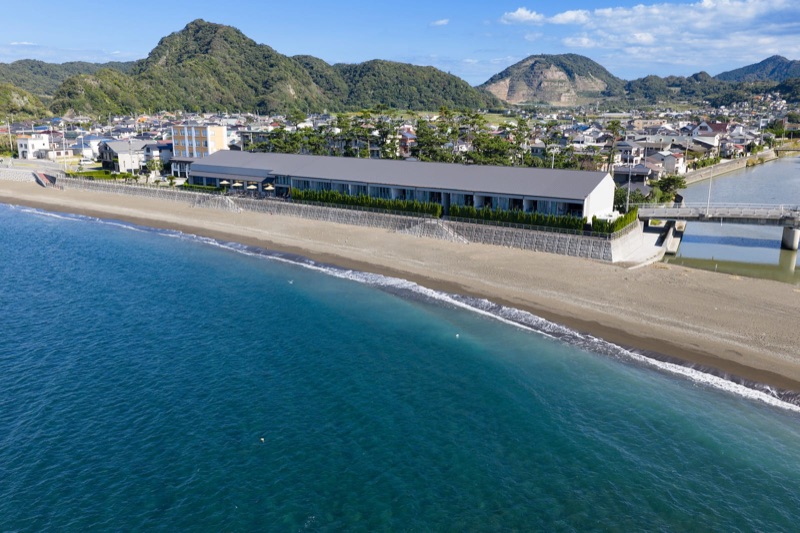
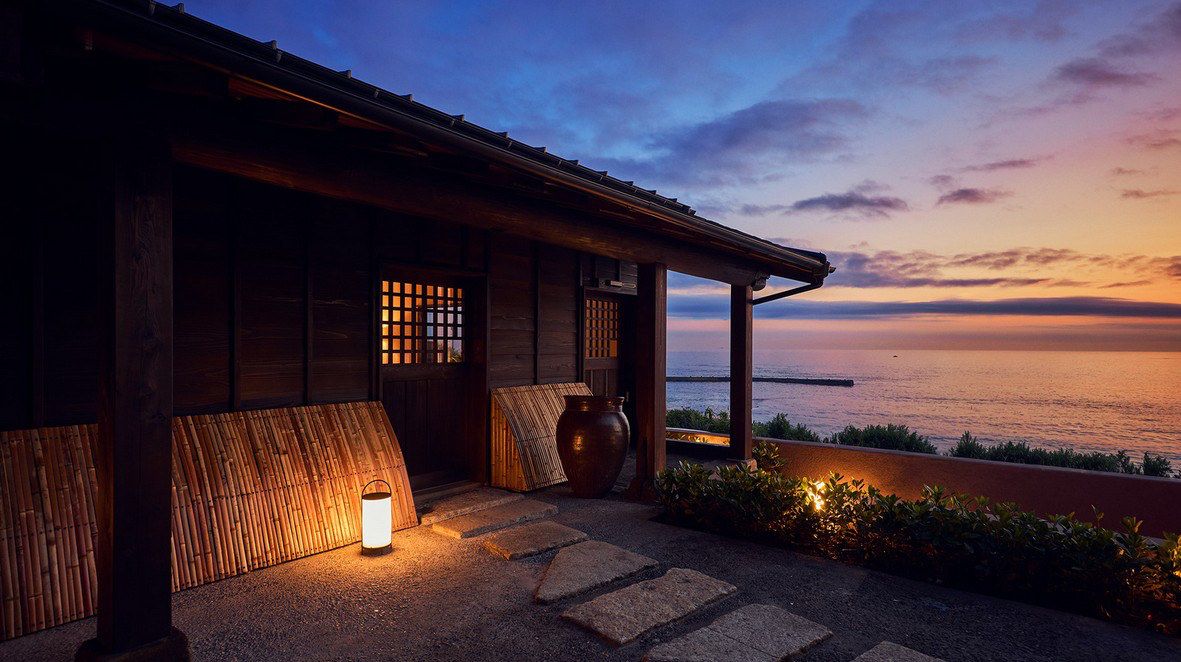
Ten houses stand along four kilometres of coast in Kyonan, all within twenty minutes of one another. Two of them set the range: Ippe, a sake ryokan in a hundred-year-old merchant house, and amane, a villa on the sand with a private kitchen in each. Both face west, and every room looks out on the same thing: the sun going down into Tokyo Bay, with Fuji on the far shore.
The Sake Ryokan
Ippe いっぺ
Opened June 2026 / Adults only
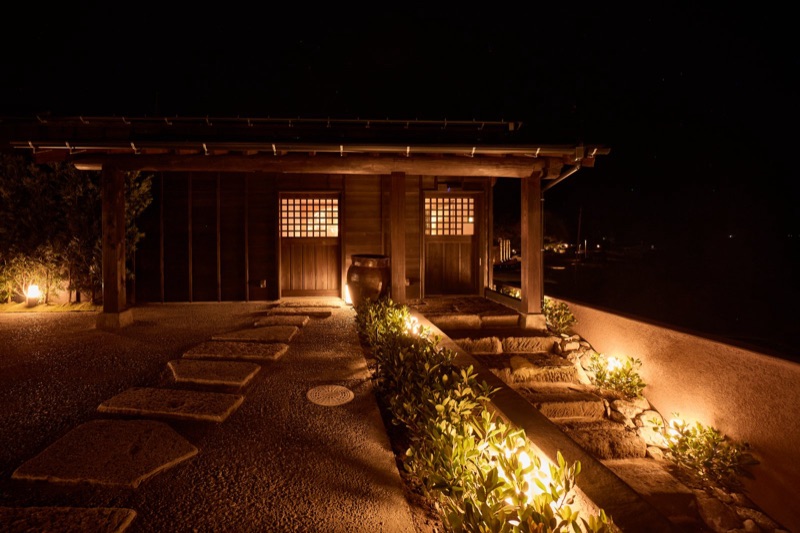
The Odaki ryokan stood on the Motona shore for more than a hundred years, and then stood empty. It reopened in June 2026 around a single idea: that Chiba makes very good sake, and almost nobody outside Japan has tasted it.
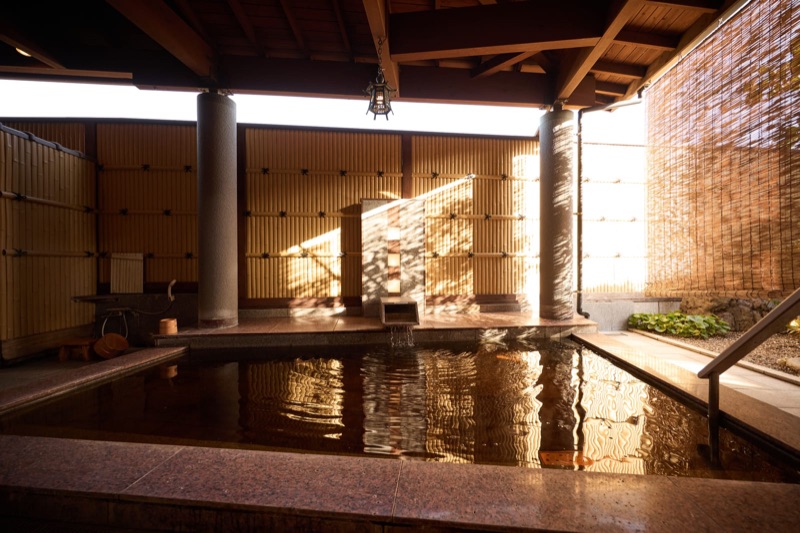
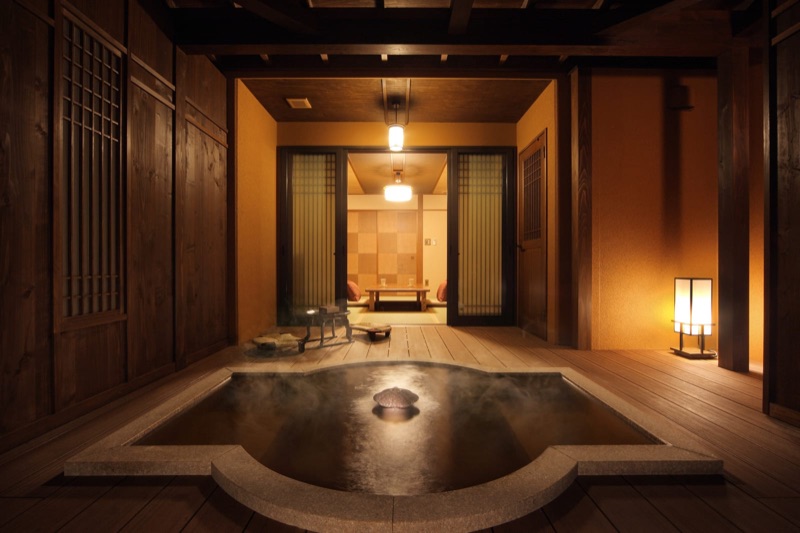
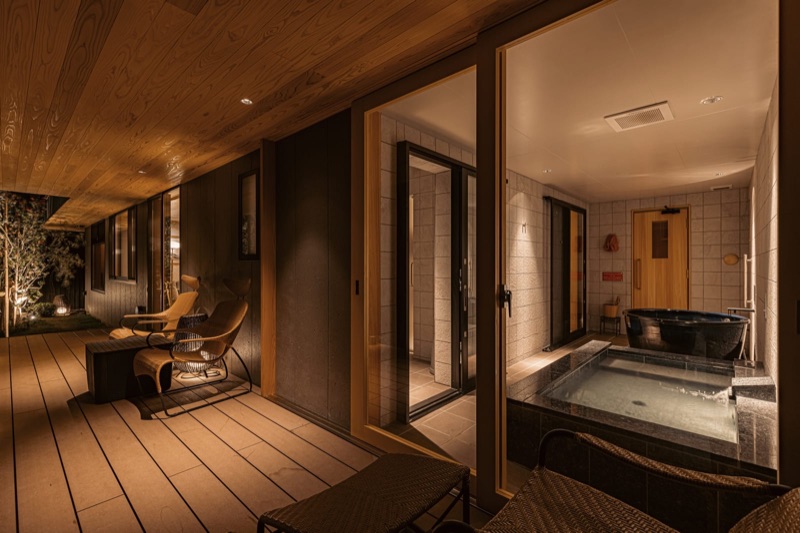
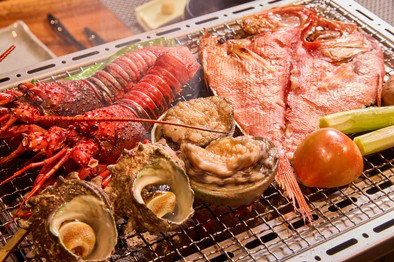
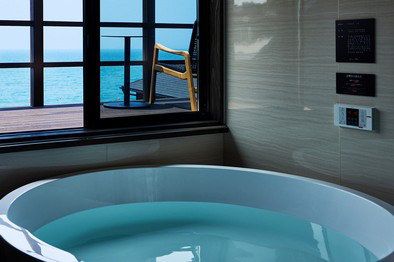
Forty labels are poured here, every one from a brewery inside the prefecture, and dinner comes with a pairing chosen course by course. The food is grilled over charcoal in front of you: squid and horse mackerel landed at Hota that morning, venison and boar from the hills behind the house. All sixteen rooms have a half-open-air bath of their own. Rates are per person, dinner and breakfast included.
- Rooms16
- Per person¥29,800
- Age20+
Charcoal · Half open-air bath · Forty labels 鋸南町元名438
The Seaside Villa
amane あまね
Hota Beach / A full kitchen in every room
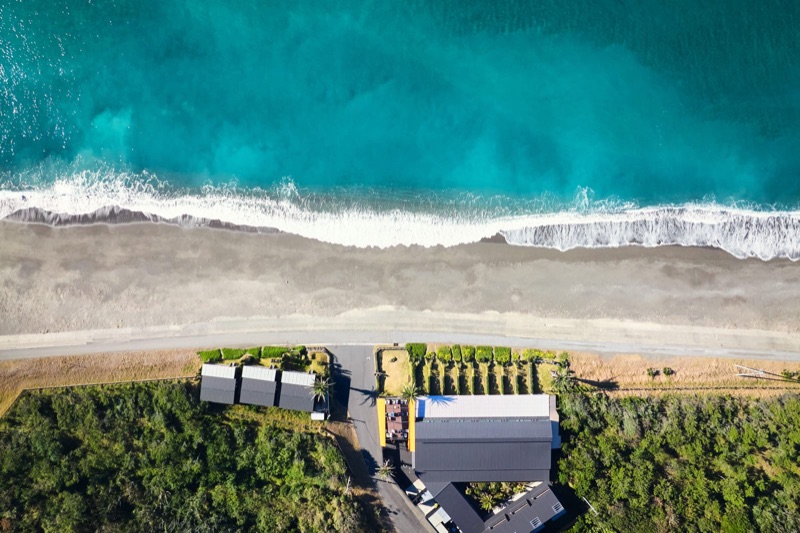
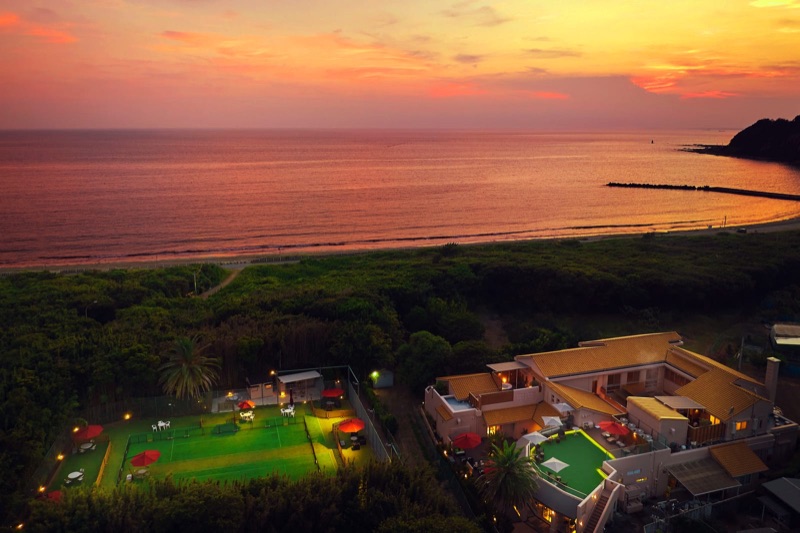
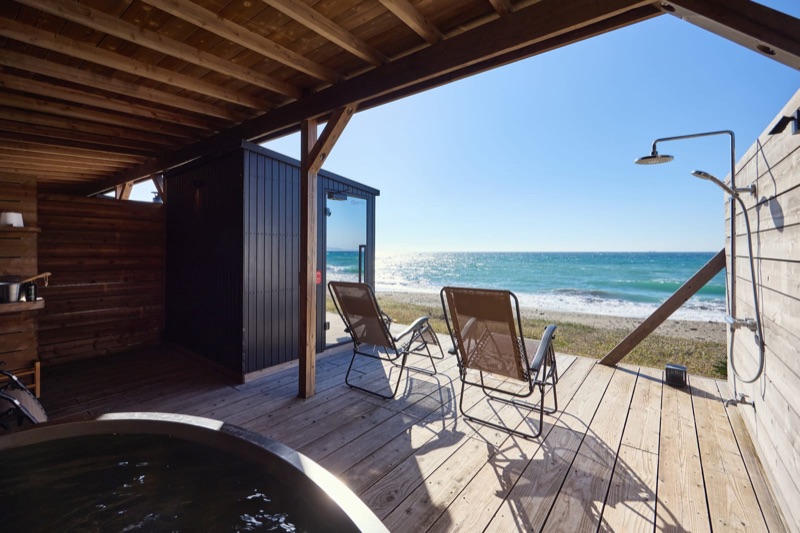
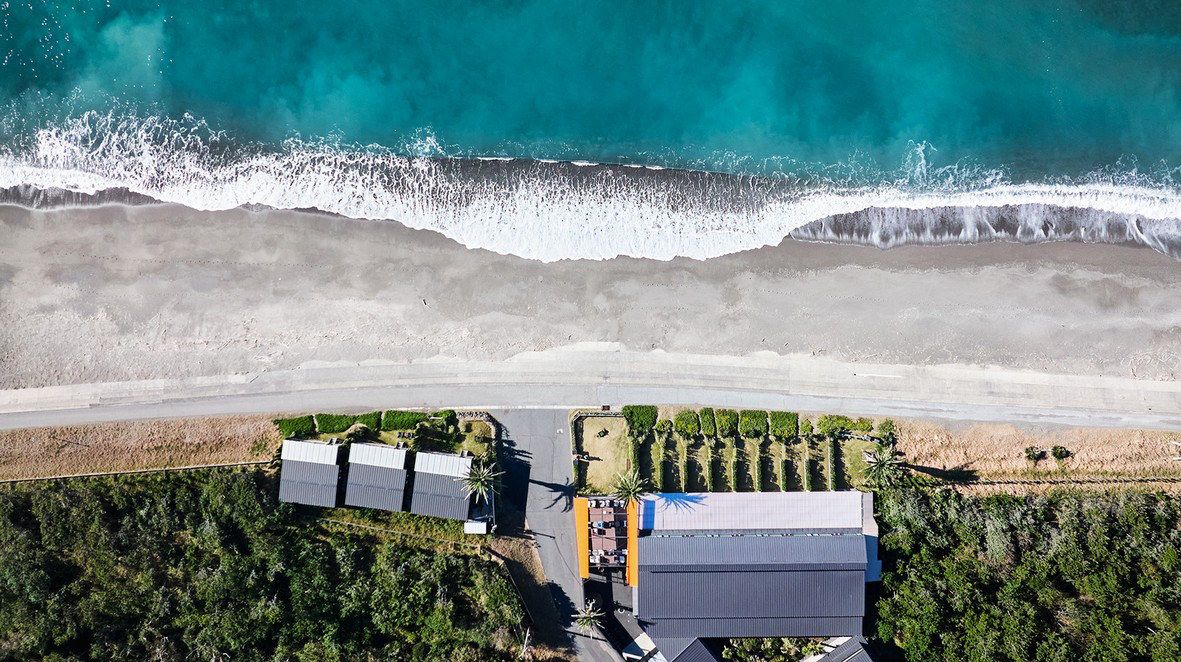
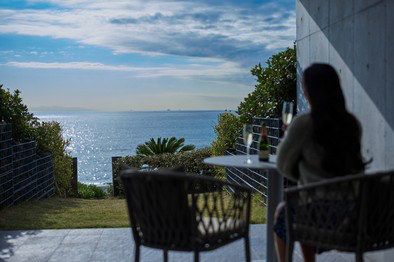
The garden ends where the sand begins. Fifteen rooms look out on Hota beach across a lawn and a line of palms, and the gate at the far end opens onto the sand.
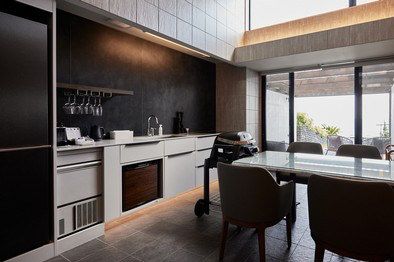
Every room has a full kitchen: induction hob, oven, grill, a proper fridge. The room-only rate starts at ¥14,600 a person. Buy fish and vegetables at the roadside market, and cook them looking at the water. The ocean terrace pours freely from late afternoon. For a longer stay it is the cheapest way to be here, and the best.
- Rooms15
- Per person¥14,600
- Per room¥29,200
Full kitchen · Ocean terrace · Fuji at sunset 鋸南町元名1016
Four More Houses
元名・竜島の四軒
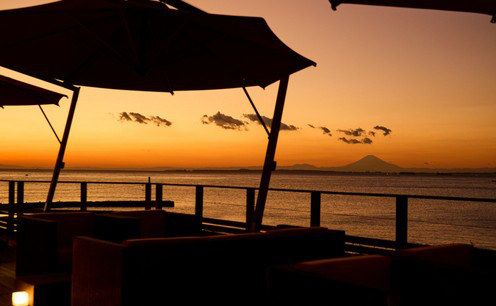
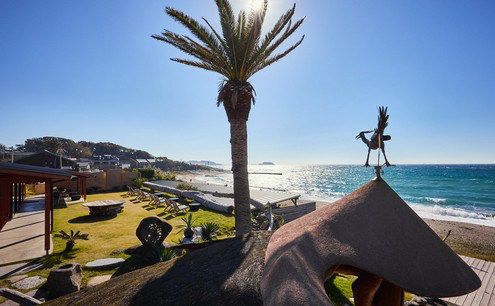
Four houses share one stretch of sand: a bathing inn, a sauna cafe facing the open bay, and the two Kinokuniya buildings that gave the group its name.
 UmiゆうみThirty seconds to the sand. Hot spring baths, and a dinner built on the morning's catch.温泉 / シーフードディナーOfficial site →
 Sauna Cafeゆうみ サウナカフェA deck, a wood stove and the open bay. Open for day use, towel included.日帰りサウナ / 海を望むデッキOfficial site →
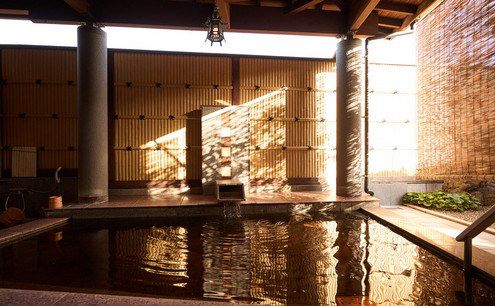 Kinokuniya紀伊乃国屋 本館The founding house, and the one for families. Open-air baths of hinoki over the Ryushima shore.グループの本館 / 家族向けOfficial site →
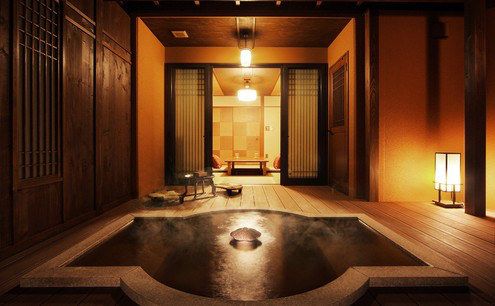 Bettei紀伊乃国屋 別亭The quiet annexe, seven minutes from Awa-Katsuyama station. A private hot spring, and no reason to go out.プライベート温泉 / おこもりステイOfficial site →
And Four More
竜島・岩井袋の四軒
Further south they get smaller and more particular: twelve rooms, five rooms, one party a day, and a fishing boat that leaves at six in the morning.
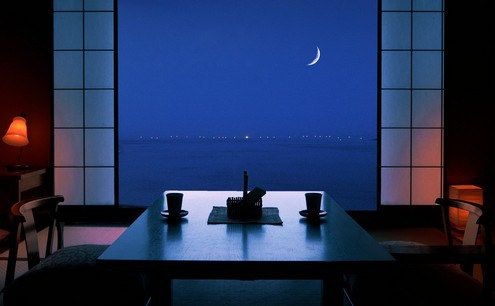 Hirutaお宿ひるたFive rooms and a private open-air bath timed to the sunset. The lowest rate of the ten houses.全5室の料亭宿 / グループ最安Official site →
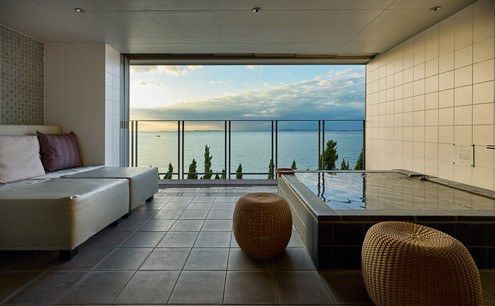 SazaneさざねTwelve rooms, each with an open-air bath above the water, and a kaiseki kitchen of its own.全室露天風呂付 / 創作懐石料理Official site →
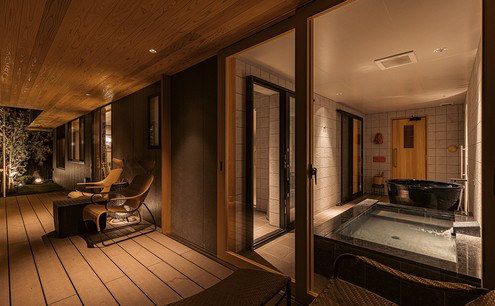 MisasaみささOne party a day. Kaiseki cooked at a sunken hearth; hot spring and sauna to itself.1日1組限定 / 囲炉裏懐石Official site →
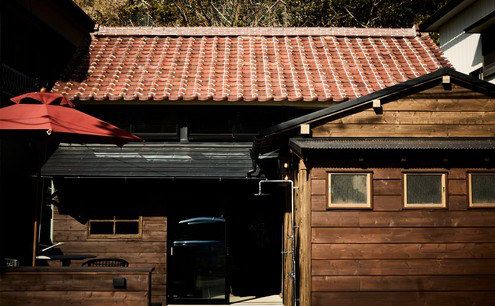 PORTCLUBポートクラブA fisherman's house at Iwaibukuro port. Cruises, box-goggle snorkelling, line fishing.岩井袋漁港の古民家 / 漁師ガイドOfficial site →
The Stone Mountain
What the
mountain gave
Boshu stone, 1700–1985
Mt. Nokogiri is not shaped like a saw by accident. For nearly three centuries men cut boshu stone out of its flank, a soft tuff that will not burn, which is why it ended up in Yokohama's harbour walls. Around 1900, eight households in ten here lived by stone.
Carrying it down was women's work: three blocks, eighty kilos apiece, on a wooden handcart called a neko, three times a day. Their route is still the Shariki path, and the ruts their wheels wore are still there. Machines took the work in the mid-1930s; concrete ended it in 1985.
Mt. Nokogiri and Nihon-ji
The mountain,
in English
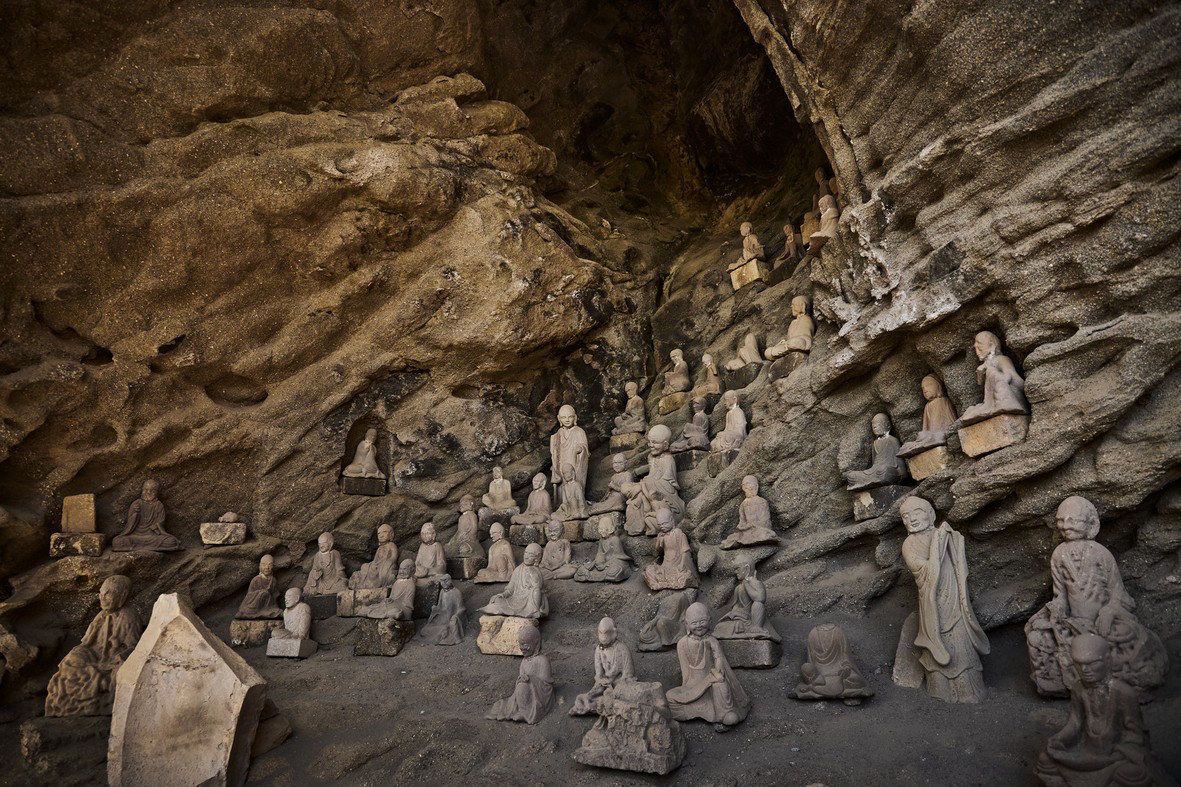
The temple on the southern face was founded in 725: a Great Buddha cut from the cliff in 1783, 1,553 stone arhats, and a slab at the summit that juts out over a hundred-metre fall.
Walk it with a guide
WeGuide Nokogiriyama walks the temple and the quarries in English: two hours, ¥20,000 to ¥40,000 for the group, or ¥4,000 a head for the fixed stone-cutting route. Ask your house to book it the night before.
Nihon-ji 9:00–16:00 / ¥700 · ¥400
Getting There
アクセス
Tokyo to Kyonan
- By car80 min
- Over the Aqua-Line from the city, then south on the Futtsu–Tateyama road. The only way that needs no pickup.都心 → アクアライン → 鋸南保田IC
- By bus1 hr 35
- Express coach from Tokyo Station over the Aqua-Line to Furari, or to the Hota Shogakko roadside station.東京駅 → 高速バス → 富楽里/道の駅 保田小学校
- By train2 hr
- Tokyo to Kimitsu on the Sobu line, then the Uchibo line down the coast to Hota or Awa-Katsuyama.東京 → 内房線 → 保田駅/安房勝山駅
- By ferry40 min
- First to Kurihama in Kanagawa, then across the bay. The boat lands at Kanaya, one town north.久里浜 → 東京湾フェリー → 金谷
- We collect you
- Bus, train and ferry are all met at the nearest arrival point. Ask for a pickup in the remarks box when you book, and the house will settle the place and time with you by email.

Where to stay
Stay with us: Beachside Onsen Resort UMI
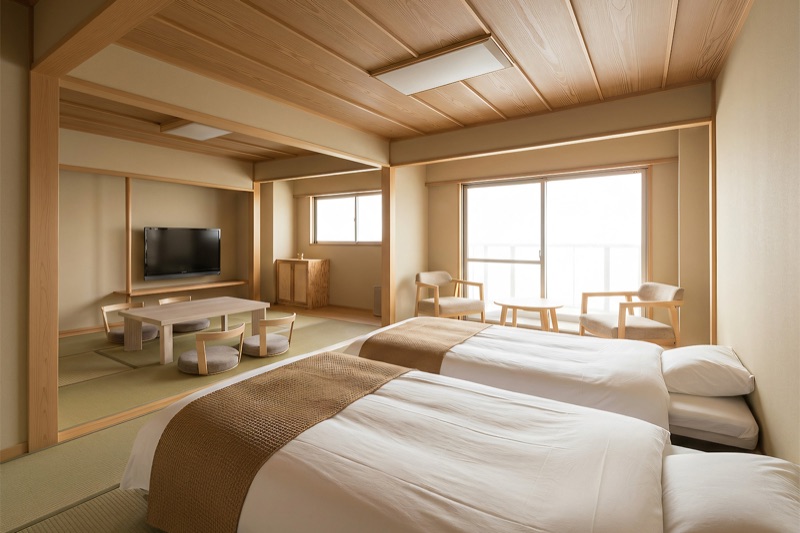
A beachfront onsen resort at Motona in Kyonan, on the Tokyo Bay coast directly below Mt. Nokogiri. The sandy beach is about a 30-second walk from the door, and every one of our guest rooms faces the sea. The water is a natural sodium-chloride hot spring, with private open-air baths overlooking the sea that you can reserve free of charge, and dinner centres on fish that the owner buys himself at the Katsuyama and Hota fish auctions each morning.